




Dental Implants: A Complete Guide Before You Decide
Date:
February 26, 2026
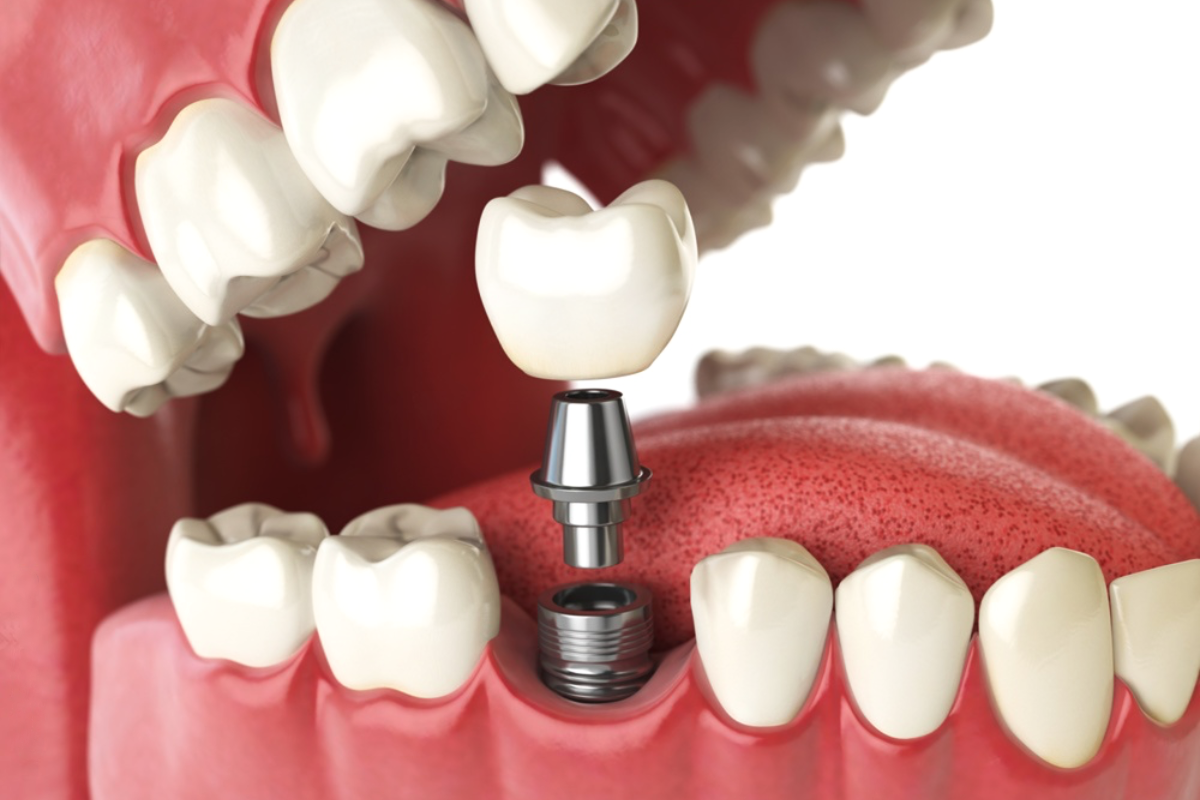
Dental implants are widely considered the most reliable way to replace missing teeth. Unlike dentures or bridges, they restore both the visible part of the tooth and the root beneath the gum. This makes a major difference not only in appearance, but also in long-term oral health.
When a tooth is lost, the surrounding bone begins to shrink over time. This process is natural, but it can change the shape of the face and weaken nearby teeth. Implants prevent this by stimulating the bone, much like a natural tooth root would.
The procedure is done in stages. First, a titanium implant is placed into the jawbone. After healing, a custom crown is attached. The final result looks and feels very close to a natural tooth.
Not every patient is an immediate candidate. Bone density, gum health, and general health all play a role. In some cases, additional procedures such as bone grafting may be needed.
Recovery is usually manageable. Most patients return to normal activity quickly, although full integration of the implant takes time. Long-term success depends heavily on oral hygiene and regular check-ups.
Implants are an investment, but they offer stability, comfort, and durability that other options often cannot match. For many patients, they become a permanent solution that improves both function and confidence.